

ed #4: reBuilding a Life: from the trenches to truest self
Bare HEARTS: Q&A with hardcore trauma responder, truth teller, and sometimes funny Cody Taymore


“You’re not lazy. You’re burned out from surviving. You’re not unmotivated. You’re stuck in a system that punishes softness. You’re not broken. You’re reacting normally to a life that never gave you space to process anything.” -
Hi all and welcome to Bare HEARTS!
This is a brand new Q&A series where I invite inspiring Substackers to share intimate details about their experience with self-love, well-being, core values, relationships, and personal responsibility.
Bare HEARTS because we are so exhausted of holding up the pretty presentation. It is like we are all waiting for someone to come and tell us that it is okay to get super transparent and just be. This is the place. This is our okay.
Holding space for honest conversation & love as we grow with one another.
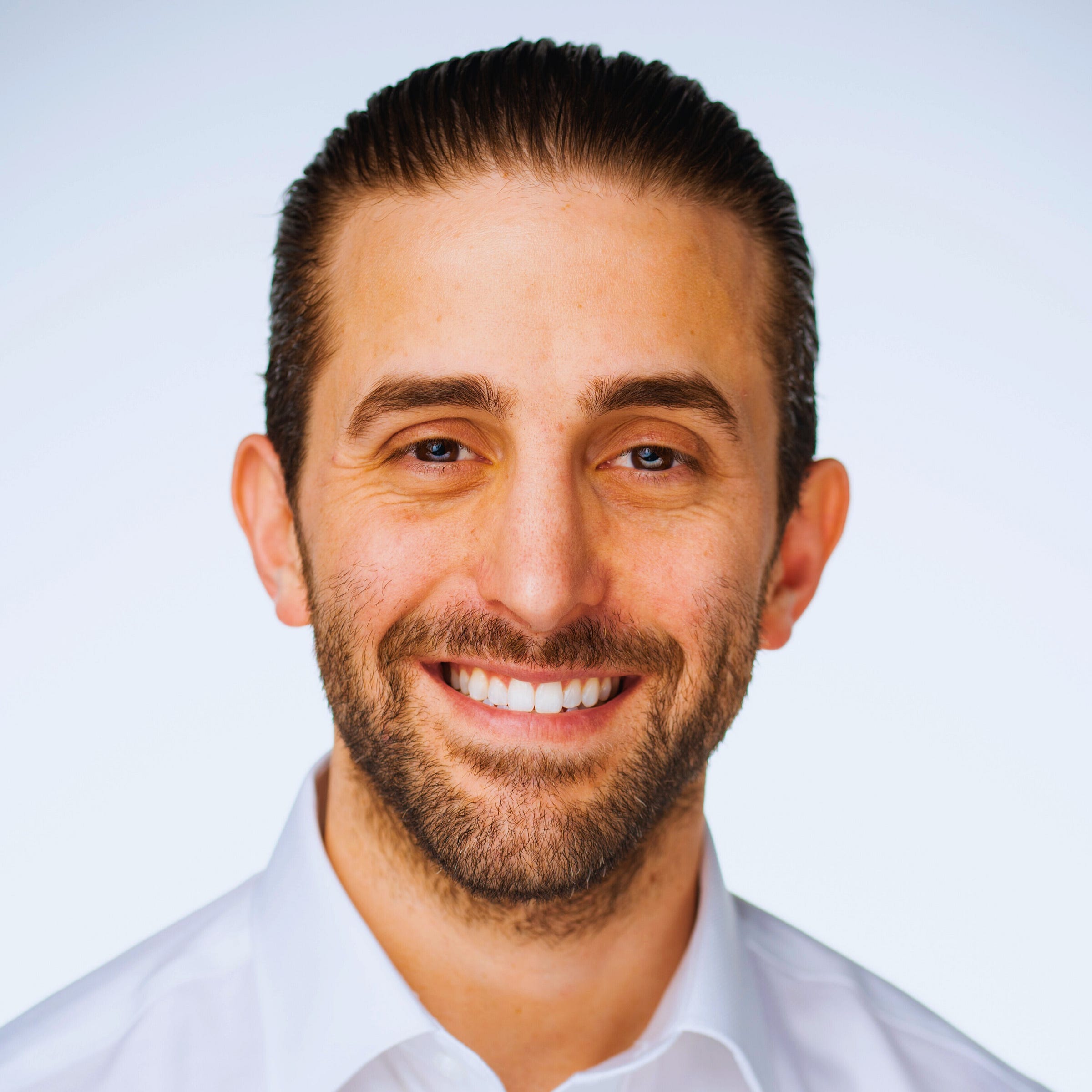
Cody Taymore is a trauma survivor, former financial advisor, and the creator of Kill The Silence — a raw, truth driven publication and podcast for high functioning survivors of trauma, addiction, emotional abuse, and burnout.
Cody writes from lived experience, not theory. No fluff. No fakery. Just clarity, recovery, and the grit it takes to rebuild your life when everything’s been taken from you, including your trust.
Cody doesn’t teach from the mountaintop. He writes from the trenches.

What I love about Cody…
Cody is that guy who went through some really shitty stuff and successfully digged his way out with full-on fortitude. Cody is the loving, brutally honest friend that we all need.
I love how open he is about his story and how he motivates from the rawest of experiences. I believe that it is most effective to teach what we most need to learn. Cody is doing this. I love that he is all about personal responsibility because so am I.
I love how committed Cody is to this life work as he guides others to find their way to emotional clarity and real recovery. The way he expresses himself can be controversial at times, but if you want to learn how to cut through the bullshit and believe in yourself, Cody's your man.
I love that the wisdom he shares is like basic street smarts meets Diogenes.
And, I love how he says, dude.
Now, let's get to know him better. Here is…

What aspect of yourself took you a long time to accept? Did anything in particular influence this act of self-love?
It took me a long time to accept myself in general. I still have days where I don’t. I grew up in a household where shame and religion were weaponized. Your worth was based on obedience, not authenticity. I learned to bully myself before anyone else could.
Getting diagnosed with ADHD and CPTSD was the beginning of me being nicer to myself. Not soft. Just fair. I realized I wasn’t broken. I was surviving.
Who was your hero growing up? What characteristic of this hero do you see in who you are today?
My dad. No matter who he was talking to, someone homeless or someone rich, he made people feel seen. He worked hard, treated people well, and didn’t try to be anyone he wasn’t.
Those values stuck. I still believe in outworking everyone and letting that speak louder than your resume.
Tell us about a personal failure or disappointment that wound up being a giant leap forward.
Losing my career. Getting fired by people who undermined me. Then being extorted for 126 thousand dollars by the therapist who was supposed to help me rebuild.
That year destroyed every part of my identity. But it also showed me that I was more resilient than I ever gave myself credit for.
I rebuilt my life from scratch. Not as the person I was, but as the person I became after the fire.
Do you attribute your old story/past to personal responsibility, bad luck or both? Explain.
I take responsibility for all of my decisions. Obviously, there are things you can’t control, like when someone manipulates or targets you. You can only control how you respond. Regardless of what happened, I think it’s my responsibility to improve, to get better, and to let the horrible things that happened to me somehow serve me and others.
What is your response now when you realize that you are being bullshited or manipulated?
I call it out. Or I walk away. Depends on the day. But either way, I protect myself now. I’ve lived through some of the most dangerous types of manipulation and I don’t romanticize it anymore. I would rather be alone than pretend I don’t see the game being played.
How do you maintain balance between identifying with ADHD/CPTSD labels and taking radical responsibility?
The labels explain, they don't excuse. Period. ADHD explains why I hyperfocus on the wrong things and forget to eat for 14 hours. It doesn't excuse me from building systems that work with my brain, not against it.
CPTSD explains why my nervous system treats a delayed text like incoming artillery. It doesn't excuse me from learning to regulate myself.
The radical responsibility piece is this: I'm responsible for my healing, full stop. Not responsible for what happened to me - not responsible for having a therapist who weaponized my trauma against me - but 100% responsible for what I do about it now.
These labels give me a map, not a hall pass. Sometimes I catch myself using them as shields - "Oh, that's just my ADHD" - and I have to call myself out. The moment you start using your diagnosis to avoid accountability, you're giving your power away to your worst day.
If you had to give one piece of advice to someone who is at rock bottom, what would it be?
Time is going to pass no matter what. And things will change, even if you don’t believe that right now. You’re not weak. You’re just overwhelmed. Give yourself space to survive the moment, but eventually you have to move.
Rock bottom is where clarity lives. And if you let it, it can be your rebirth. Just don’t quit here.
You are having a bad day. What do you do?
I take a hot shower. I lay down and try to reset until I feel better. I order Starbucks and whatever food I’m craving. I treat myself.
If I’m having a bad day, I probably need a friend. So I try to be a friend to myself.
Have you ever had a brief encounter that significantly changed you or your life?
Yeah. The first time I saw a comedy show live I thought to myself, I could do that.
And something shifted. I didn’t know how or when. But I knew I was going to try.
What has been your hugest act of courage so far?
Doing stand up comedy. It scared me to death. But I did it anyway. And I still do.
Because when you’ve lost everything before, there’s a weird kind of freedom in stepping on stage and saying what most people are too afraid to admit.
What role has laughter and play had in your rebuild?
Laughter didn't just save my life - it gave me my life back. When you've been through psychological warfare, everything feels heavy and dangerous. But comedy? That's where I found my first taste of power again.
I discovered I could take the absolute worst moments - getting blackmailed by my therapist, losing everything at Fidelity, the years of addiction - and turn them into material that made people laugh until they couldn't breathe. That's alchemy. Taking poison and making medicine.
Play taught me something crucial: I could be spontaneous without it being chaos. ADHD brain plus trauma history means you're either rigidly controlled or completely unhinged. Comedy gave me this middle ground where I could be unpredictable in a way that felt safe.
I never thought of it this way. Humor is so effective because it brings that horrific experience back into balance. It is no longer just that negative thing; it is transformed into a source of joy as well. So do you believe that humor is a fundamental core value when rewriting one's story?
Absolutely. But not the fake-it-till-you-make-it bullshit. Real humor - the kind that comes from staring directly at your demons and finding the absurdity in survival. When you can laugh at your story, you own it. When you own it, you can rewrite it.

What kind of material do you use in your standup act?
I mine my disasters for gold. Therapist abuse, addiction, the special hell of high-functioning ADHD in corporate America, managing half a billion dollars while my nervous system thought every email was a death threat.
Can you give us a brief example?
Ok. Here's a piece:
"So I'm in recovery, right? And everyone keeps telling me I need to 'find myself.'
Find myself? Lady, I've been avoiding myself for years - that guy's a mess! I don't want to find him, I want to fire him.
But seriously, they make it sound so mystical. 'Go within. Connect with your inner child.'
My inner child is probably in the corner eating glue and setting things on fire. I don't need to connect with him - I need to get him into therapy.
And don't get me started on 'radical self-love.' You know what's radical? Not checking your phone 47 times to see if your therapist is going to destroy your life today. That's my love language now - basic emotional safety."
Digging deeper here - What and who brings you the most joy?
Self-love used to sound like bullshit therapy speak to me. But when you've survived what I have, you realize it's not about bath bombs and vision boards. It's about refusing to abandon yourself again.
So what brings me joy? The moment I stopped apologizing for taking up space. Learning to trust my gut after years of being gaslit into thinking it was broken. Setting boundaries that would make my former people-pleasing self weep. Saying no without explanation and sleeping like a baby afterward.
Also, creating brings me joy. Writing something that makes another survivor feel less alone in their war zone. Crafting a bit that turns the worst day of someone's life into the hardest they've ever laughed. Building tools I wish I'd had when I was drowning.
And, movement brings me joy - boxing specifically. There's something about controlled violence that feels like coming home when you've lived through the uncontrolled kind. Every punch is a conversation with my nervous system: "We're safe now. We get to fight back now."
But the deepest joy? Learning I can be whole without being fixed. That I can love myself in the mess, not despite it. That's the real rebellion.
(Excuse me, but I can’t help saying that this last one really resonates with me.)
Something you have lost, something you have gained during the rebuild.
Lost: The illusion that good intentions equal safe people. Used to think if someone had credentials or talked about healing, they couldn't hurt me. Learned the hard way that predators often hide in helper's clothing.
Gained: The ability to disappoint people without it destroying me. Used to think if I just performed perfectly enough, I could control everyone's reactions. Now I know disappointing someone who needs you to be small isn't failure - it's freedom.
What does success look like for you? Have you achieved it or is it still a work in progress?
Being my authentic self one hundred percent of the time. I think I’m pretty damn close. Sometimes it’s difficult to drop every mask because we’re afraid we won’t be accepted. But I’ve learned it doesn’t matter who accepts me. I accept me. Some people will love me. Some won’t. So what.
What is the driving force that keeps you moving forward?
I want to help people suffer less. I want my pain to mean something. And yeah, I’m competitive. I like proving people wrong. But mostly, I’m trying to become the person I needed back then.
I keep going for the version of me who didn’t make it out with clean hands, but still got back up anyway.
A book that has greatly influenced you.
The Body Keeps the Score by Bessel van der Kolk changed everything.
Do you have any current or future projects you want to share with us?
I have many. For example, building the WAKE U.P.™ Sales System - my trauma-informed approach to selling without manipulation. Turns out when you've survived psychological warfare, you can spot emotional manipulation from a mile away. I'm teaching that to sales teams.
I want to launch Prescription Comedy - turning the pain into punchlines because if you can laugh at it, you've survived it.
Also, creating faceless viral content that hits different because the person writing it has been through hell.
I am writing a book about high-functioning trauma - how to excel professionally while your nervous system is basically a car alarm that won't shut off. Working title: "Kill The Silence: A Survival Guide for High-Functioning Trauma Survivors."
I am also expanding Kill The Silence into workshops and speaking engagements. Teaching executives that vulnerability isn't weakness - it's competitive advantage. That radical honesty beats toxic positivity every time.
Lots of stuff.
What is your first thought of the day? What is your last?
First thought when I wake up: "What war am I not fighting today?" Last thought before bed: "Did I show up as myself today, or did I perform survival?"
Is there anything else about anything that you want to bare with us?
I just want to say that you are lovable and unique and to fight to remain your authentic self in a world full of bullshit.
There’s no replacement for you. And no one else gets to write your story unless you let them.

prompt! (to think, to express, to create, to grow, to share)
Today’s theme is taking radical responsibility.
How do you respond when someone disappoints you or your expectations go unmet?
Often we fall into blame or victimhood. However, this puts how we feel and how we move forward into someone else’s hands. It allows someone else to determine the outcome. Radical responsibility is doing the opposite of this.
Blame puts other people in charge of your happiness. Accepting responsibility empowers you to create your own.
I once heard that radical responsibility means that you take 55% responsibility of anything that occurs. This does not mean that you take 55% responsibility for what happens to you (the trauma we suffer is often not at all our fault), it means you take at least 55% responsibility of what you do moving forward so that you become the true author to the ending of your story.
We are not always responsible for what happens, but we can always look inside of ourselves to the vision we have for our lives and ask: From what has happened, can I derive meaning? Can I use this terrible thing/experience to truly serve my life?
Grab your journal or just your mind for a moment…
Answer the following self-inquiry questions:
When you look at your life (at work, in your relationships, etc.), where do you tend to fall into guilt or blame?
Are there situations where you tend to fall into victimhood?
Do you tend to give the responsibility of your joy or the outcome of particular situations over to somebody else?
Where in your life can you take radical responsibility?
Inspired by Cody’s answer to question #20, formulate for yourself a first and last thought/question of the day.
My first thought when I wake up is….
My last thought before bed is…
If you enjoyed this interview with Cody, subscribe now to Kill The Silence. You can also buy Cody a coffee to support his work.
Let’s keep the conversation going. Your voice is so important here. Tell us what resonated with you the most or drop a question or comment for Cody here:
You grow with us. We grow with you. xo Danni
Contact and resources
Further reading with Cody
The Narcissist’s Kryptonite: 7 Phrases That Make Them Lose Their Minds
How Gaslighting Rewires Your Nervous System (And How to Undo It)
A Few Clips
Recommended by Cody
Pete Walker's work on CPTSD - especially "The Tao of Fully Feeling"
AND IF YOU MISSED THESE


**this new series was inspired by the marvelous
.YOU CAN ALSO…
 | A guest post by
|
Thank you for this. It's such a clear-eyed look at what it means to rebuild after trauma.... without bypassing the hard parts ....or romanticizing the mess.